
Where to start
- For a flange, valve or flexible joint leak, document where the fluid exits, the connection standard, supports and any visible movement. Include the adjoining pipe and flange faces in the inspection scope.
- For repeat leaks on metal pipe, plan UT thickness mapping where suitable and ask the engineer to establish the minimum thickness for the system and applicable code. For insulated chilled water, distinguish moisture in the insulation from degradation of the metal underneath.
- For HDPE, record material grade and SDR, gouge or deformation location, support spacing and fusion records where available. Compare with applicable system and manufacturer criteria.
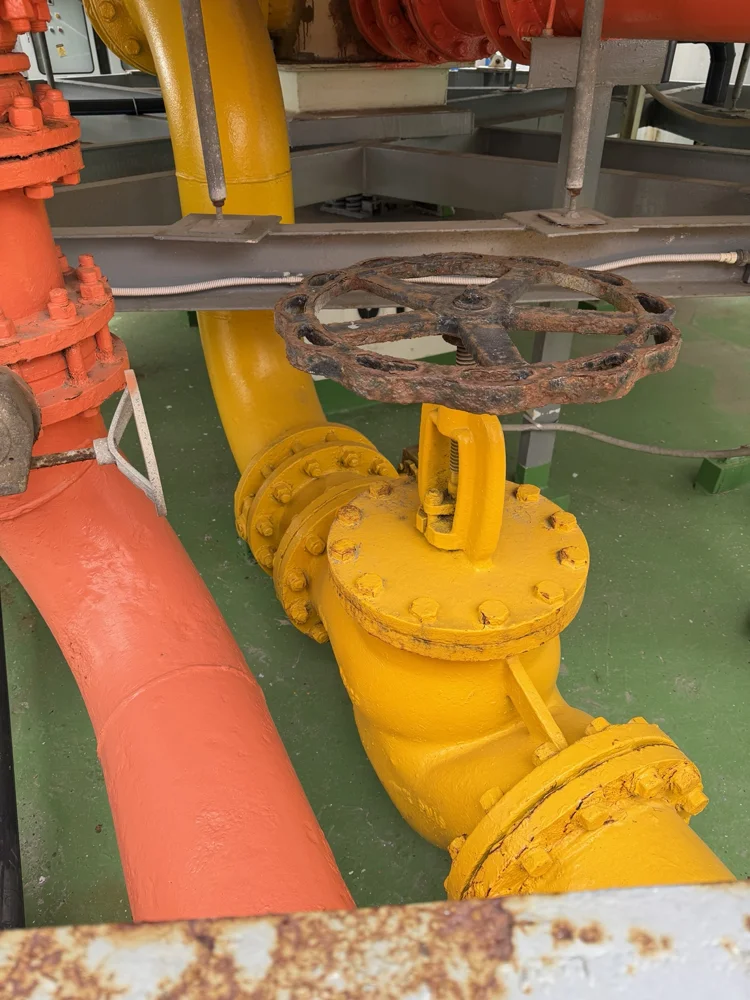
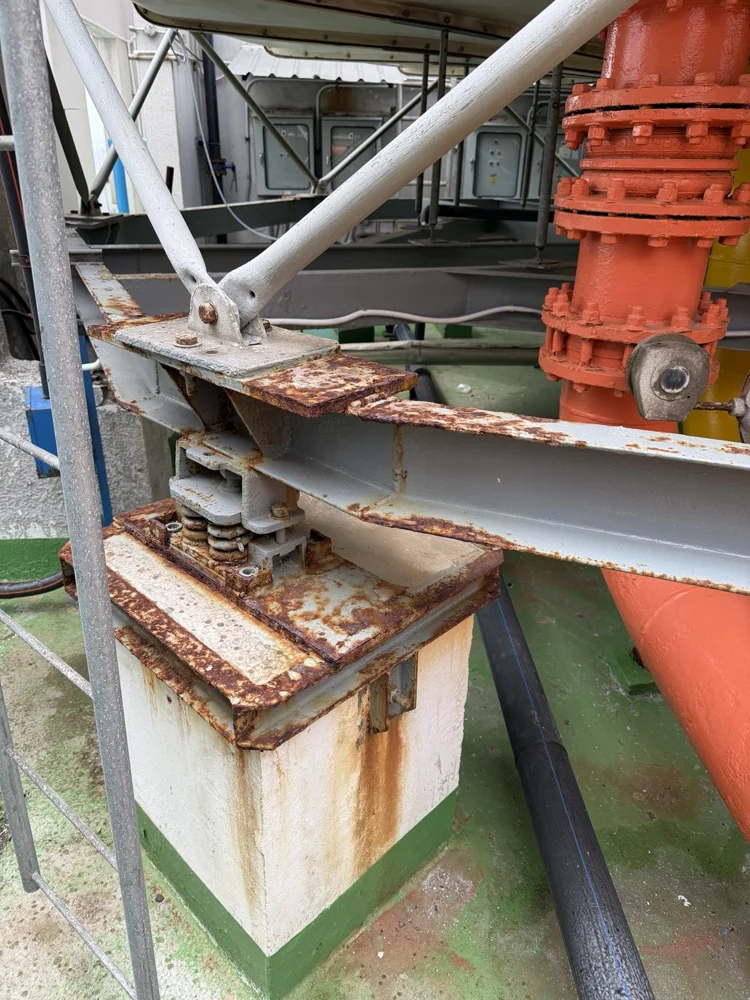
A small leak is worth investigating before it becomes an unplanned shutdown. A rusty surface alone does not justify replacing the entire run. Find the source and check whether adjacent sections are still fit for service.
Prepare pipe size, photographs, design and operating conditions, and the available shutdown window. Pipe age supports prioritization. Fitness for continued service and remaining life require an engineering assessment.